
Creating a Wikipedia page is one of the most searched credibility goals in 2026. Whether you’re an entrepreneur, artist, musician, public figure, brand, or business professional, a Wikipedia presence signals legitimacy to the world. When someone Googles your name and sees a Wikipedia page, the trust factor skyrockets instantly.
But here’s the truth nobody tells you upfront: Wikipedia is extraordinarily difficult to get on—and even harder to stay on. Thousands of pages get rejected or deleted every single month. The requirements are strict, the process is complex, and one wrong move can get your page flagged, removed, or turned against you by anonymous editors who can add anything they want.
This comprehensive guide explains exactly how to create a Wikipedia page in 2026, what requirements you genuinely need to meet, why most people fail, and why thousands of smart professionals are now choosing Wikitia—a fully legitimate Wikipedia alternative that’s faster, safer, more affordable, and guaranteed. At Nextenco, as direct official partners with Wikitia, we help individuals and brands get published on Wikitia starting at just $299—with 100% guaranteed publication.
What Does It Actually Take to Get a Wikipedia Page?
Before spending weeks trying to create a Wikipedia page, you need to understand what Wikipedia actually requires. Most people discover these requirements too late—after their page gets rejected or deleted. Here is the honest truth about Wikipedia’s notability standards in 2026.
Wikipedia’s Notability Requirements :
Wikipedia operates on a concept called “notability”—meaning the subject of any article must have received significant coverage in reliable, independent, secondary sources. This is not optional. It is the absolute foundation of every Wikipedia article. Without meeting notability standards, your page will be deleted within days regardless of how well it’s written.
For a person or brand to qualify for Wikipedia, they generally need coverage in major mainstream publications, newspapers, or media outlets that are considered reliable by Wikipedia’s editorial community. A personal website, press release, or company blog does not count. Social media mentions do not count. Only genuine editorial coverage in recognized publications qualifies.
The Sources Wikipedia Accepts :
Wikipedia requires what they call “reliable secondary sources”—meaning independent journalists or editors wrote about you without you paying for or controlling the content. Coverage in publications like Forbes, TIME, Billboard, Reuters, Associated Press, BBC, major newspapers, and recognized industry publications all qualify. The more prestigious the source, the stronger your Wikipedia notability claim becomes.
Wikipedia editors specifically look for multiple independent sources—not just one article. The general standard is at least three to five significant coverage pieces from credible publications before your page has a reasonable chance of surviving Wikipedia’s deletion review process.
What Wikipedia Looks at Beyond Articles :
Beyond press coverage, Wikipedia also considers whether the subject has won recognized awards, holds significant positions in their field, has been referenced by other notable Wikipedia articles, has achieved measurable milestones such as chart positions, funding rounds, or industry recognition, and whether the coverage of the subject is substantive rather than just a passing mention.


The Step-by-Step Process to Create a Wikipedia Page
If you’ve confirmed you meet the notability requirements and have sufficient press coverage, here is the actual process for creating a Wikipedia page in 2026.
Step 1: Create a Wikipedia Account
You must register a Wikipedia account before creating any page. Anonymous page creation is not permitted for new articles. After creating your account, Wikipedia requires a period of activity—typically making at least ten edits to existing articles and waiting four days—before your account becomes “autoconfirmed” and eligible to create new articles.
Step 2: Gather All Your Sources First
Before writing a single word of your Wikipedia article, compile every reliable source that covers your subject. Organize them by publication name, date, author, and URL. The strength of your sources determines whether your page survives Wikipedia’s review process. Weak or insufficient sources are the number one reason Wikipedia pages get deleted immediately after creation.
Step 3: Use the Article Wizard
Wikipedia provides an Article Wizard that guides new contributors through the page creation process. This wizard helps you understand formatting requirements, notability guidelines, and neutral point of view standards before you submit. Using the wizard is strongly recommended because it reduces the chance of immediate rejection due to technical formatting errors.
Step 4: Write in Neutral Point of View
Wikipedia strictly prohibits promotional language, first-person writing, and anything that reads like marketing copy. Every sentence must be written from a neutral, encyclopedic perspective. You cannot say your company is “the best” or “industry-leading.” You cannot include superlatives, opinions, or promotional claims. Every factual statement must be directly supported by a cited reliable source. This is where most self-written Wikipedia pages immediately fail.
Step 5: Submit to Articles for Creation (AfC)
New Wikipedia contributors must submit pages through the Articles for Creation process, where experienced Wikipedia editors review submissions before they go live. The review process typically takes weeks to months depending on the backlog. Reviewers assess notability, sourcing quality, neutral tone, and formatting compliance. Most first submissions are declined with feedback requesting improvements.
Step 6: Respond to Reviewer Feedback
If your submission is declined, you receive feedback explaining why. You must address all concerns, improve the sourcing, adjust the writing tone, and resubmit. This back-and-forth process can take months and multiple rounds of revisions before acceptance—if acceptance ever comes.
The Most Critical Requirement: You Need Press Coverage First
Of everything discussed above, press coverage in credible publications is the single most important factor determining whether your Wikipedia page gets approved or deleted. This is the step most people skip, rush, or underestimate—and it’s the exact reason most Wikipedia pages fail.
Wikipedia editors are experienced at identifying thin or insufficient sourcing. If your coverage consists of local blog posts, press releases, or low-authority websites, your page will be flagged for deletion under Wikipedia’s “notability not established” criteria. You need coverage in publications that Wikipedia’s community recognizes as reliable and authoritative.
What Press Coverage Does Wikipedia Require?
The publications that carry the most weight for Wikipedia notability include major business publications like Forbes, Entrepreneur, Inc., and Business Insider. For musicians and artists, coverage in Billboard, Rolling Stone, NME, and similar recognized music publications significantly strengthens notability claims. For broader profiles, TIME, Reuters, Associated Press, and major newspaper coverage all carry significant weight with Wikipedia editors.
The coverage must be substantive—meaning a real article written about you or your work, not a brief mention in a listicle or a self-submitted press release. The article needs to demonstrate that independent journalists considered you worth writing about. This is what Wikipedia means by “significant coverage.”
Don’t Have Press Coverage Yet? We Can Help You Get It
This is where most people get stuck. They want a Wikipedia page but don’t have the press coverage Wikipedia requires. Without credible media placements, your Wikipedia page has almost no chance of surviving the review process.
At Nextenco, we solve this problem directly. We have established partnerships with over 2,000 top-tier global publications—including Forbes, TIME, Billboard, Entrepreneur, Business Insider, Vogue, Elle, Rolling Stone, and thousands more across every industry and niche. We secure guaranteed editorial placements in the exact publications that Wikipedia editors recognize as credible, authoritative sources.
Whether you’re a musician needing Billboard coverage, an entrepreneur needing Forbes features, a fashion professional needing Vogue or Elle placements, or a business leader needing coverage across multiple mainstream publications—Nextenco delivers guaranteed media placements that simultaneously build your Wikipedia notability AND your overall brand credibility.
📰 Build Your Wikipedia Notability With Guaranteed Press Coverage
2,000+ top-tier global publications • Guaranteed editorial placements • Wikipedia-recognized sources
Every placement is a genuine editorial article — exactly what Wikipedia editors look for when assessing notability
View All Media Placement Services →Direct journalist partnerships • Guaranteed publication • Wikipedia-recognized sources
Why Most Wikipedia Pages Get Rejected or Deleted
Even with proper press coverage, Wikipedia page creation remains a minefield. Understanding why pages fail is just as important as knowing how to create them.
Reason 1 : Insufficient Notability
The most common reason for Wikipedia page deletion is simply that the subject doesn’t meet notability standards. Wikipedia editors apply the General Notability Guideline strictly—if your coverage doesn’t clearly establish that multiple independent reliable sources consider you noteworthy, your page gets deleted. No exceptions.
Reason 2 : Promotional Tone
Wikipedia is an encyclopedia, not a marketing platform. Any language that reads like a press release, advertisement, or promotional copy gets flagged immediately. Terms like “innovative,” “leading,” “pioneering,” or “award-winning” without direct source citations are red flags for Wikipedia editors who patrol new articles constantly.
Reason 3 : Conflict of Interest
Wikipedia strongly discourages subjects from writing their own pages. When you create a page about yourself or your company, Wikipedia considers this a conflict of interest. Pages created by the subject or people associated with the subject receive extra scrutiny and are far more likely to be flagged for deletion or tagged with neutrality warnings.
Reason 4 : Open Editing Risks
Even if your Wikipedia page gets approved and published, the battle isn’t over. Because Wikipedia allows anyone to edit any page, your carefully crafted article can be modified, vandalized, or negatively altered at any time. Competitors, critics, or anonymous users can add damaging information, remove positive content, or tag your page for deletion—all without your knowledge or consent.
Reason 5 : Random Deletion
Wikipedia pages can be nominated for deletion at any time by any editor who believes the subject doesn’t meet notability standards. These deletion discussions are public, and if enough editors vote for deletion, your page disappears permanently. This can happen months or years after your page was originally approved, often triggered by changes in Wikipedia’s notability standards or editorial priorities.
Wikitia vs Wikipedia : The Complete Comparison
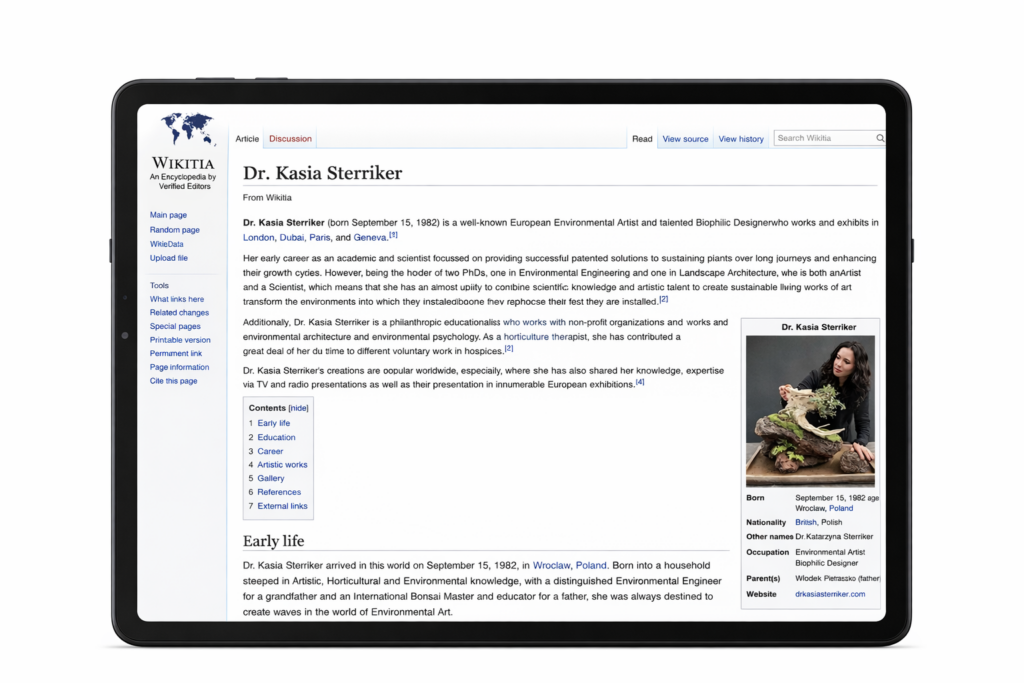
Given the challenges, risks, and unpredictability of Wikipedia, thousands of professionals, businesses, and public figures are turning to Wikitia—a fully legitimate, professionally managed encyclopedia that solves every major problem Wikipedia creates. Here is the complete honest comparison :
Why Wikitia is The #1 Alternative to Wikipedia in 2026
Wikitia was founded in 2019 on the same MediaWiki framework that powers Wikipedia—meaning it carries the same technical credibility, SEO structure, and encyclopedic format. But Wikitia solved every major problem that makes Wikipedia so frustrating and risky for professionals and brands.
Wikitia Uses Verified Editors Only :
Unlike Wikipedia where literally anyone can edit your page, Wikitia restricts all content creation and modification to verified editors. This means once your Wikitia page is published, it stays exactly as written. No anonymous users can vandalize it, add negative information, or nominate it for deletion out of spite or competition.
Wikitia Pages Rank Powerfully on Google :
This is the most important benefit for your online presence. Wikitia pages consistently appear in Google search results when someone searches your name, your brand, or your business. Because Wikitia carries encyclopedic authority and is built on the same framework as Wikipedia, Google treats it as a high-authority reference source. When potential clients, investors, journalists, or collaborators Google you, your Wikitia page appears prominently—instantly communicating legitimacy and credibility.
Wikitia Supports Photos and Videos :
Wikipedia only allows static images. Wikitia allows professional photos and even video introductions within your profile—making your presence far more engaging, personal, and impressive than a text-only Wikipedia article. For artists, musicians, executives, and brands, this multimedia capability creates a significantly stronger first impression.
Wikitia Protects Your Reputation :
Because only verified editors can modify Wikitia pages, your profile maintains the professional, balanced, factual presentation you want. Controversial additions, competitor edits, or reputation-damaging modifications are simply not possible. Your Wikitia page says exactly what it should say—permanently.
Wikitia Has Accessible Standards :
Wikipedia’s notability standards exclude thousands of legitimate, accomplished professionals simply because they haven’t received coverage in Wikipedia’s specific set of approved publications. Wikitia recognizes a broader range of professional achievements, making it accessible to entrepreneurs, artists, executives, and brands who are genuinely notable in their fields but haven’t yet achieved the specific type of coverage Wikipedia demands.
🌐 Get Your Wikitia Page — 100% Guaranteed Publication
Nextenco is an official Wikitia partner — Your page WILL be published, guaranteed
What’s Included in Your $299 Wikitia Page:
→ Professional research and article writing
→ Editorial formatting to Wikitia standards
→ Source compilation and citation
→ Direct submission via official Wikitia partnership
→ Guaranteed publication or full refund
→ Google-ranking encyclopedic profile — permanently live
Official Wikitia partner • 100% guaranteed • Permanently published
How Wikitia Boosts Your Google Presence and Online Reputation
A Wikitia page does far more than simply exist on the internet. It actively works to improve your Google search presence and overall online reputation in several powerful ways.
When someone searches your name, your Wikitia page appears in the search results—typically on the first page of Google due to Wikitia’s strong domain authority. This means every person who Googles you sees an encyclopedia-style profile that communicates credibility before they ever visit your website or social media profiles. This “above the fold” Google presence is what separates recognized professionals from unknown quantities in the eyes of clients, investors, and media.
Wikitia pages also contribute to your Google Knowledge Panel—the information box that appears on the right side of Google search results for notable individuals and brands. Having a Wikitia page significantly strengthens your Knowledge Panel data, helping Google verify and display accurate information about you consistently across all search results.
Beyond search results, a Wikitia page serves as a permanent reference point that other websites, journalists, and content creators use when writing about you. This creates a virtuous cycle where your Wikitia page drives more coverage, more coverage strengthens your overall online authority, and your Google presence grows organically over time.
Nextenco Is an Official Direct Partner with Wikitia
This is what makes Nextenco uniquely positioned to deliver results that other services cannot match. Nextenco is an official direct partner with Wikitia—meaning we have an established, verified relationship with Wikitia’s editorial team that allows us to create, submit, and publish Wikitia pages with guaranteed results.
We don’t pitch and hope. We don’t submit and wait months. We coordinate directly with Wikitia’s editorial team to ensure your page meets all publication standards and goes live efficiently. Our team handles every aspect of the process—research, writing, formatting, fact-checking, source compilation, editorial submission, and publication.
You simply provide us with the information about yourself, your brand, or your achievements, and we handle everything else. The result is a professionally written, editorially approved Wikitia page that immediately begins working for your Google presence and online credibility.
Who Should Get a Wikitia Page?
Wikitia pages are ideal for virtually any professional, brand, or public figure seeking to establish or strengthen their digital credibility. Entrepreneurs and business founders benefit enormously from having an encyclopedic profile that investors, clients, and media can reference. Musicians and artists use Wikitia pages to establish professional legitimacy with labels, booking agents, and industry contacts. Executives and corporate leaders leverage Wikitia profiles to strengthen their thought leadership presence and personal brand authority.
Influencers and content creators use Wikitia pages to transition from “social media personality” to “recognized public figure” in the eyes of Google and search audiences. Authors, speakers, coaches, and consultants use Wikitia to create an authoritative reference point that validates their expertise and experience. Brands and companies of all sizes benefit from Wikitia’s encyclopedic credibility when prospects research them before making purchasing decisions.
If you have been rejected by Wikipedia, or if you’re simply looking for a faster, more reliable, and more protective alternative, Wikitia is the clear choice in 2026.
The Smart Strategy: Wikitia + Press Coverage = Maximum Credibility
The most powerful online credibility strategy combines both a Wikitia page and press coverage from recognized publications. Here’s why this combination works so effectively.
Your Wikitia page establishes your encyclopedic authority—giving you an immediate Google presence and a permanent reference point. Your press coverage in Nextenco’s network of 2,000+ publications creates the media footprint that reinforces your Wikitia profile, strengthens your Google Knowledge Panel, and demonstrates real-world recognition by independent journalists and editors. Together, they create a credibility ecosystem that makes you appear thoroughly validated from multiple authoritative sources whenever anyone searches your name.
This combined strategy is what major public relations firms charge tens of thousands of dollars to create. Through Nextenco, you can achieve the same result at a fraction of the cost—with a $299 Wikitia page and media placements starting from $999 across our network of 2,000+ global publications.
Frequently Asked Questions
Can anyone create a Wikipedia page?
Technically yes, but practically speaking, most people cannot create a Wikipedia page that survives the review process. Wikipedia’s strict notability requirements mean that unless you have significant coverage in multiple recognized, reliable publications, your page will be deleted. The process also requires deep familiarity with Wikipedia’s formatting standards, neutral point of view guidelines, and source citation requirements. Most self-created Wikipedia pages are rejected or deleted within days of submission.
How long does it take to get a Wikipedia page approved?
Through Wikipedia’s Articles for Creation process, review times currently range from several weeks to several months depending on the editorial backlog. Even after submission, most pages require multiple revision rounds before approval—if they’re approved at all. Many submissions are declined permanently. In contrast, a Nextenco-managed Wikitia page is published significantly faster through our direct editorial partnership with Wikitia.
Is Wikitia as credible as Wikipedia?
Wikitia is a fully legitimate, professionally managed encyclopedia built on the same MediaWiki framework as Wikipedia. Wikitia pages rank well on Google search results and carry genuine encyclopedic authority. For establishing personal and brand credibility, Wikitia is arguably more valuable than Wikipedia because it’s stable, protected from vandalism, and guaranteed to present your information accurately and professionally without the risk of random edits or deletion.
Does a Wikitia page help with Google Knowledge Panel?
Yes. A Wikitia page is one of the strongest signals Google uses to verify information for Knowledge Panels. Combined with press coverage from recognized publications, a Wikitia page significantly improves the likelihood of Google displaying a Knowledge Panel for your name or brand, and ensures the information displayed is accurate and positive.
What if my Wikipedia page gets rejected?
Wikipedia rejections are extremely common and don’t reflect negatively on you—they simply mean Wikipedia’s specific notability standards weren’t fully met at the time of submission. If your Wikipedia page has been rejected, Wikitia is the ideal next step. Nextenco’s Wikitia page creation service is specifically designed for individuals and brands who have faced Wikipedia rejection, offering guaranteed publication at just $299 with none of Wikipedia’s unpredictable review process.
Do I need press coverage to get a Wikitia page?
Wikitia has more accessible standards than Wikipedia, but having press coverage always strengthens your profile. If you don’t yet have media coverage, Nextenco can secure guaranteed placements across our network of 2,000+ global publications before or alongside your Wikitia page creation—giving you the strongest possible credibility foundation.
How much does a Wikitia page cost through Nextenco?
Nextenco offers Wikitia page creation starting at just $299—a one-time fee that includes professional research, article writing, editorial formatting, source compilation, direct submission through our official Wikitia partnership, and guaranteed publication. There are no monthly fees, no annual commitments, and no hidden costs. If your page isn’t published, you receive a full refund.
What’s included in Nextenco’s Wikitia page creation service?
Our complete Wikitia package includes professional research into your background, achievements, and credentials, full article writing meeting Wikitia’s editorial standards, proper formatting and source citation, direct submission through our official Wikitia partnership, editorial coordination until publication, and a permanently live encyclopedic profile that ranks on Google. Everything is handled by our team—you simply provide your information and we deliver a published Wikitia page.
Final Thoughts: The Smart Path to Online Credibility in 2026
Creating a Wikipedia page in 2026 is harder than ever. Notability requirements are strict, the review process is slow and unpredictable, open editing creates ongoing reputation risks, and pages can be deleted at any moment. For the vast majority of professionals, entrepreneurs, artists, and brands, Wikipedia is an unreliable and frustrating path to online credibility.
Wikitia solves every one of these problems. It offers the same encyclopedic authority, the same Google ranking power, and the same credibility signal as Wikipedia—but with verified editing, guaranteed stability, multimedia support, reputation protection, and accessible standards that recognize professional achievement across all industries.
At Nextenco, as an official direct Wikitia partner, we deliver guaranteed Wikitia pages for just $299. Combined with our guaranteed press placements across 2,000+ global publications, we provide the most complete, most affordable, and most reliable online credibility solution available anywhere in 2026.
Stop struggling with Wikipedia’s impossible standards. Stop watching your pages get rejected or deleted. Get a guaranteed Wikitia page for $299 and start building the Google presence and online reputation your work deserves.
![How to Get Featured on Entrepreneur Magazine in 2026 [$1,750 – 100% Guaranteed Placement]](https://nextenco.com/wp-content/uploads/2026/02/Entrepreneur-celebrating-success-on-phone-after-getting-featured-on-Entrepreneur-Magazine-Nextenco-guaranteed-placement-service-scaled-500x300.jpg)
![How to Create Google Knowledge Panel in 2026 [$299 – 100% Guaranteed Method]](https://nextenco.com/wp-content/uploads/2026/02/Business-team-viewing-Google-Knowledge-Panel-on-laptop-Nextenco-guaranteed-Knowledge-Panel-creation-service-for-299-500x300.jpg)